 Hacks
From unexpected medical emergencies to canceled flights, travel insurance can provide peace of mind, but does that justify the cost?
When planning a trip, one of the most important questions travelers often face is whether or not to purchase travel insurance.
From unexpected medical emergencies to canceled flights, lost luggage, and other unforeseen events, travel insurance can provide peace of mind—but it also adds to the cost of a vacation. So, do you really need travel insurance?
Let’s explore the key factors to help you make an informed decision.
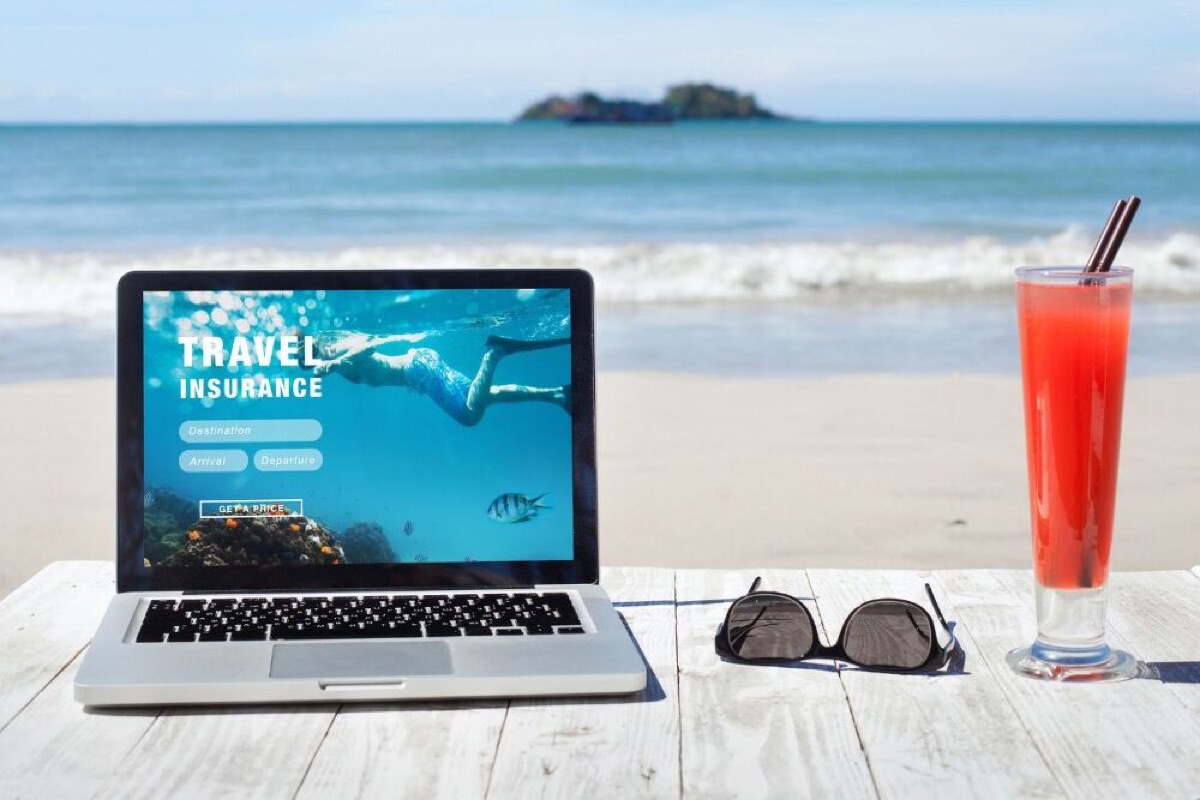
1. What Does Travel Insurance Cover?
Before deciding if you need travel insurance, it’s essential to understand what it typically covers.
Most comprehensive travel insurance plans provide protection in several areas:
- Trip Cancellation/Interruption: Reimburses you if you need to cancel or cut short your trip due to covered reasons, such as illness, injury, or a family emergency.
- Medical Emergencies: Covers medical expenses if you become sick or injured while traveling, including hospital stays, doctor visits, and sometimes emergency evacuation.
- Lost or Delayed Luggage: Reimburses you for lost, stolen, or damaged luggage, and covers expenses for items needed during luggage delays.
- Flight Delays or Cancellations: Compensates you for extra costs (meals, hotels, etc.) if your flight is delayed or canceled for a covered reason.
- Emergency Evacuation: Pays for emergency transportation to the nearest adequate medical facility if you are injured or become seriously ill.
While these are the most common areas of coverage, policies can vary greatly, so it’s important to read the fine print of any plan you consider.
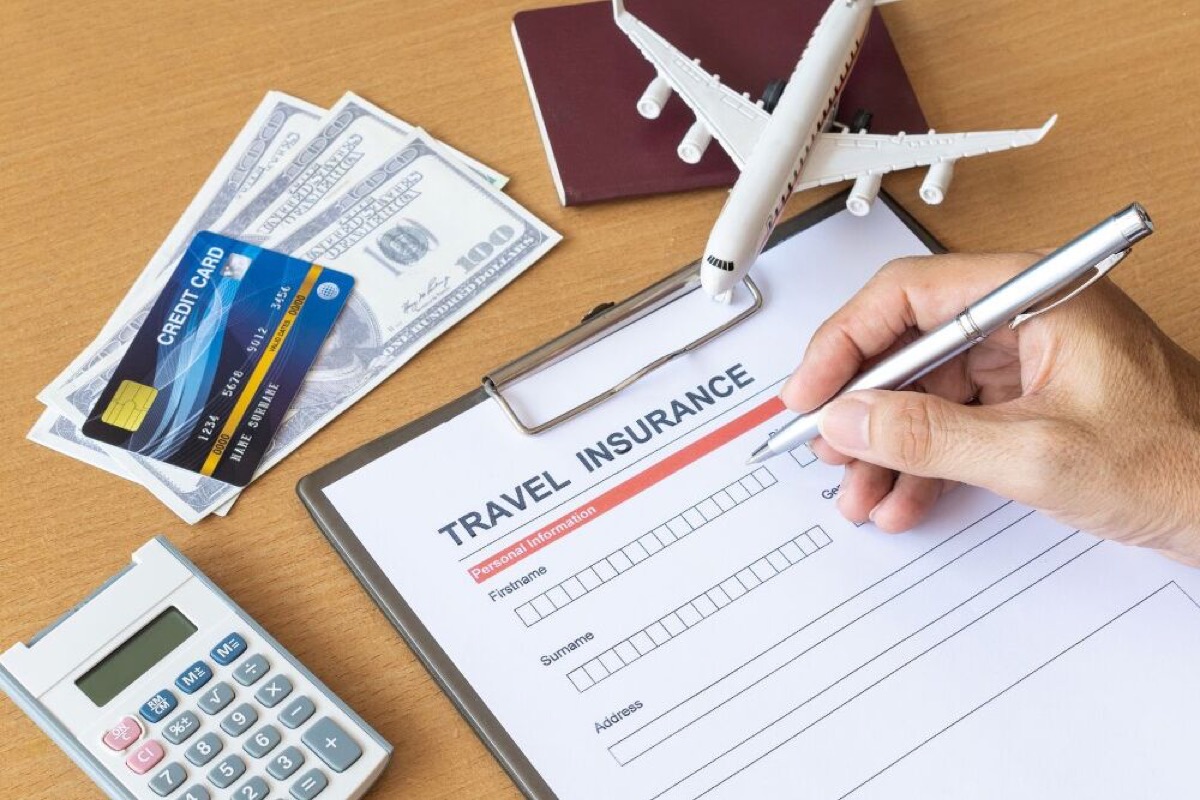
2. Who Should Consider Travel Insurance?
Not every traveler will benefit equally from purchasing travel insurance. Here are some scenarios where insurance is highly recommended:
a) International Travelers
If you’re traveling abroad, particularly to countries with expensive medical care, having travel insurance can be a lifesaver.
Many domestic health insurance plans don’t provide coverage outside your home country, and medical bills can quickly escalate in foreign hospitals.
Travel insurance ensures you won’t be stuck paying out-of-pocket for emergency medical treatment.
b) Expensive or Non-Refundable Trips
If you’ve booked a luxury vacation, cruise, or a multi-destination itinerary with a lot of non-refundable costs, travel insurance can offer protection if something unexpected forces you to cancel or cut short your trip.
Without insurance, you could lose thousands of dollars in prepaid expenses.
c) Senior Travelers or Those with Pre-Existing Conditions
Older travelers, especially those with health concerns, should strongly consider travel insurance.
Many plans offer coverage for medical emergencies related to pre-existing conditions, provided the insurance is purchased within a specific time frame after booking the trip.
d) Adventure or High-Risk Travelers
If your trip involves activities like skiing, scuba diving, or trekking in remote areas, travel insurance can cover medical emergencies, including evacuation from hard-to-reach places.
It’s essential to choose a plan that includes adventure or sports coverage, as many standard plans exclude these activities.
e) Long-Term or Remote Travel
For long-term travelers or those heading to remote areas, the chances of encountering unexpected issues (medical or logistical) increase.
Travel insurance can provide a safety net, especially in places where local medical care may be limited.
3. When Might Travel Insurance Be Unnecessary?
While travel insurance is a smart choice for many travelers, there are situations where it might not be necessary:
a) Short, Domestic Trips
If you’re traveling within your own country for a short period, especially if your existing health insurance covers you domestically, the need for travel insurance may be minimal.
Additionally, if your trip is refundable or doesn’t involve large pre-paid expenses, you may not need cancellation coverage.
b) Credit Card Benefits
Some premium credit cards offer built-in travel insurance as part of their perks. This often includes trip cancellation, medical, and lost luggage coverage, though the limits might be lower than a standalone policy.
Check with your credit card company to see if your trip is already protected before purchasing additional insurance.
c) Flexible Booking Policies
Many airlines, hotels, and tour operators now offer more flexible booking and cancellation policies due to changing travel conditions.
If your trip allows for free changes or cancellations without penalties, travel insurance may be less essential.
4. Types of Travel Insurance Plans
Travel insurance comes in various forms, and it’s essential to choose the right one for your needs.
Here are the most common types:
- Single-Trip Insurance: Covers one specific trip, ideal for occasional travelers who want coverage for a short period.
- Multi-Trip or Annual Insurance: If you travel frequently, an annual plan may be more cost-effective, covering multiple trips within a year.
- Comprehensive Plans: These provide the most extensive coverage, including trip cancellation, medical emergencies, baggage loss, and more.
- Medical-Only Plans: Focus solely on health-related emergencies, ideal for travelers who are primarily concerned about medical expenses abroad.
5. How to Choose the Right Travel Insurance
Once you’ve determined that you need travel insurance, it’s important to compare different plans and providers.
Here are some tips:
- Assess Your Needs: Consider the type of trip, your destination, your age, health, and any specific activities you’ll be engaging in.
- Read the Fine Print: Understand what’s covered, what’s excluded, and the maximum payout limits. Pay attention to clauses on pre-existing conditions and specific activities.
- Compare Providers: Use comparison websites or consult with a travel insurance agent to review multiple quotes and find the best plan for your budget and needs.
- Check Reviews: Look for customer reviews and ratings to see how well a provider handles claims and customer service.
Final Thoughts
In many cases, travel insurance is a wise investment that can protect you from costly surprises during your trip.
While it may not be necessary for every traveler or situation, it’s crucial to evaluate the risks and the potential costs of not having coverage.
If your trip involves international travel, expensive non-refundable bookings, or any higher-risk activities, having travel insurance can provide invaluable peace of mind.
Pin this post for later:

K
Kai Nakamura
Window-seat loyalist.